
Beginners Guide to Cryptocurrency Wallets
In this article
Cryptocurrency has revolutionized the financial landscape, and for beginners, understanding the fundamentals is essential. A key aspect of safely managing digital assets is knowing how cryptocurrency wallets function. This guide will help you grasp the essentials, empowering you to handle digital currencies securely and confidently.
What is a Cryptocurrency Wallet?
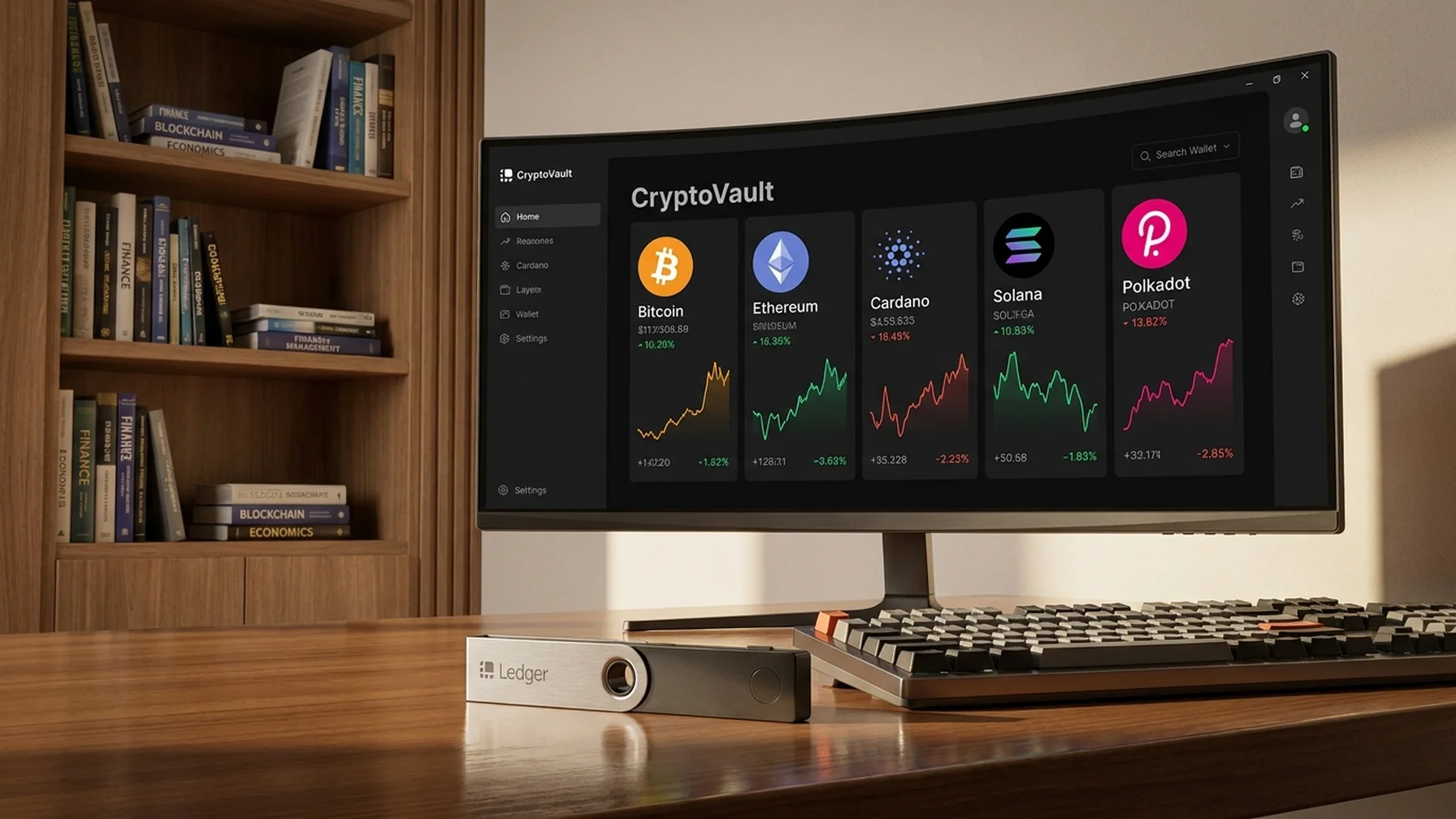
A cryptocurrency wallet is a digital tool that allows you to store, send, and receive cryptocurrencies such as Bitcoin and Ethereum. Unlike a physical wallet, a crypto wallet doesn't hold currency in a physical form. Instead, it stores the keys needed to access your cryptocurrency on the blockchain. Here's an overview of the different types of wallets available:
Comparing different types of cryptocurrency wallets can help you choose the right one for your needs.
| Wallet Type | Key Features | Best For |
|---|---|---|
| Hardware Wallet | Physical device, high security, offline storage | Long-term investors |
| Software Wallet | Installed on devices, user-friendly, varying security | Frequent traders |
| Web Wallet | Accessible via browser, easy to use, less secure | Beginners and casual users |
| Paper Wallet | Printed QR codes, ultra-secure, requires manual processes | Advanced users seeking safety |
This table provides a concise overview of the major wallet types available to cryptocurrency users. By understanding these categories, you can make informed choices about where to store your digital assets securely.
How Does Blockchain Work?
Blockchain is the technology that underpins cryptocurrencies. It is a decentralized ledger of all transactions across a network. Each block in the chain contains a list of transactions. Once a block is completed, it is added to the chain, creating a permanent and unchangeable record.
Blockchain vs Bitcoin: Understanding the Difference
While blockchain is the technology, Bitcoin is a type of cryptocurrency that utilizes this technology. Bitcoin was the first cryptocurrency and introduced the concept of blockchain to the public. Think of Bitcoin as an application that runs on the blockchain.
Hot Wallet vs Cold Wallet: Which to Choose?
Choosing between a hot wallet and a cold wallet is a fundamental decision for managing cryptocurrencies. Here are the key differences:
- Hot Wallets: These are connected to the internet and are convenient for daily transactions. Examples include mobile apps and web-based wallets.
- Cold Wallets: These are offline, providing enhanced security. They are ideal for storing large amounts of cryptocurrency. Examples include hardware wallets and paper wallets.
For beginners, starting with a hot wallet can be easier due to its user-friendly nature, but securing it properly is crucial to ensure safety.
Setting Up a Crypto Wallet: A Step-by-Step Guide
Setting up a crypto wallet is straightforward. Here’s a simple guide to get you started:
- Choose a Wallet Type: Decide between a hot wallet or a cold wallet based on your needs.
- Download and Install: For hot wallets, download a reputable wallet app. For cold wallets, purchase a hardware device.
- Create an Account: Follow the prompts to create an account. This usually involves setting up a username and password.
- Backup Your Seed Phrase: A seed phrase is a series of words used to recover your wallet. Write it down and store it securely.
Following these steps ensures that your cryptocurrency wallet is set up correctly, providing a secure foundation for managing your digital assets.
Custodial vs Non-Custodial Wallets: Making a Choice
Understanding the difference between custodial and non-custodial wallets is important:
- Custodial Wallets: Here, a third-party manages your private keys, similar to how banks hold money for you.
- Non-Custodial Wallets: You have full control of your private keys, providing more autonomy but also more responsibility.
Choosing the right type depends on your comfort level with managing your own security and privacy.
How to Store Bitcoin Safely
To store Bitcoin safely, consider using a cold wallet. Always keep your seed phrase secure and enable two-factor authentication where possible. Regularly updating your wallet software can protect against vulnerabilities and enhance security.
What is a Crypto Exchange?
A crypto exchange is a platform where you can buy, sell, and trade cryptocurrencies. There are two main types:
- Centralized Exchanges (CEX): Managed by companies offering user-friendly interfaces and customer support.
- Decentralized Exchanges (DEX): Operate without a central authority, offering more privacy and control over your assets.
Choosing an exchange type depends on your preferences for ease of use and control over your assets.
Buying Crypto: A Simple Guide
Buying cryptocurrency can be done easily with a debit card. Most exchanges offer this option. Here's how:
- Sign Up on a Crypto Exchange: Choose a reputable exchange and create an account.
- Verify Your Identity: Complete any required identity verification to comply with regulations.
- Link Your Debit Card: Add your debit card details to fund your account.
- Buy Cryptocurrency: Choose the cryptocurrency you wish to purchase and complete the transaction.
Following these steps will enable you to buy cryptocurrency securely and efficiently.
Understanding Trading Fees
When trading on exchanges, be aware of trading fees, which can vary widely. These fees are usually a percentage of the trade and can impact your overall investment strategy. It's important to factor these into your decisions to ensure you optimize your investments.
Protecting Yourself from Crypto Scams
Crypto scams are prevalent in the digital currency space. To protect yourself, consider the following practices:
- Avoid Phishing Sites: Always check URLs and look for secure site indicators.
- Enable Two-Factor Authentication: This adds an extra layer of security to your accounts.
- Be Skeptical of Guaranteed Returns: Offers that sound too good to be true often are.
Staying vigilant and informed can help safeguard your investments from fraudulent activities.
Conclusion: Embrace the Crypto Journey
Cryptocurrency is an exciting yet complex field. By understanding wallets, exchanges, and security measures, beginners can confidently embark on their crypto journey. Staying informed and cautious will help you make the most of your investments while navigating the digital currency landscape.